How Long Does It Take for Mold to Grow? Mold Growth Timeline
After a leak or flood, most people focus on the water they can see. Mold works on a different schedule. Under the right conditions, it can begin growing on damp materials within 24 to 48 hours, long before you notice spots or smell anything musty. The exact timing varies with moisture, temperature and the materials involved.
Burst pipes, roof leaks, appliance failures and flooding can all leave moisture trapped in walls, floors and ceilings. That hidden dampness is often where mold gets its start.
This guide explains how long it takes for mold to grow, what speeds it up, where it tends to develop after water damage, the warning signs to watch for and how to reduce your risk. If you’re dealing with water damage now, Spotless Cleaners & Restoration provides fast water removal and professional drying in Johnson City, Kingsport and Bristol.
How Long Does It Take for Mold to Start Growing?
How fast mold grows depends mostly on how long materials stay wet and on the conditions around them. Mold spores are present in nearly every home, and they only need moisture and a surface to feed on. Under favorable conditions, mold can begin growing within 24 to 48 hours. That’s why the EPA recommends drying wet building materials within that window to help prevent mold growth.
The timeline below shows what may happen at each stage. None of these steps is guaranteed; fast drying can stop the process at any point.
| Time after water exposure | Potential mold development | Recommended action |
|---|---|---|
| First 24 hours | Water soaks into porous materials like drywall, carpet pad and wood. Spores already in the air can settle on damp surfaces. | Stop the water source, remove standing water and start drying right away. |
| 24–48 hours | Mold may begin growing on materials that are still wet. Growth at this stage is usually too small to see. | Finish drying wet materials within this window, using dehumidifiers and air movers. |
| 48–72 hours | Growth may continue to spread on damp materials. A faint musty odor may develop. | Check hidden areas such as wall cavities and under flooring, and get a professional moisture assessment. |
| After 72 hours | Visible spots, discoloration and stronger odors may appear, and wet materials can start to break down. | Have affected materials professionally assessed, and address any mold along with the moisture source. |
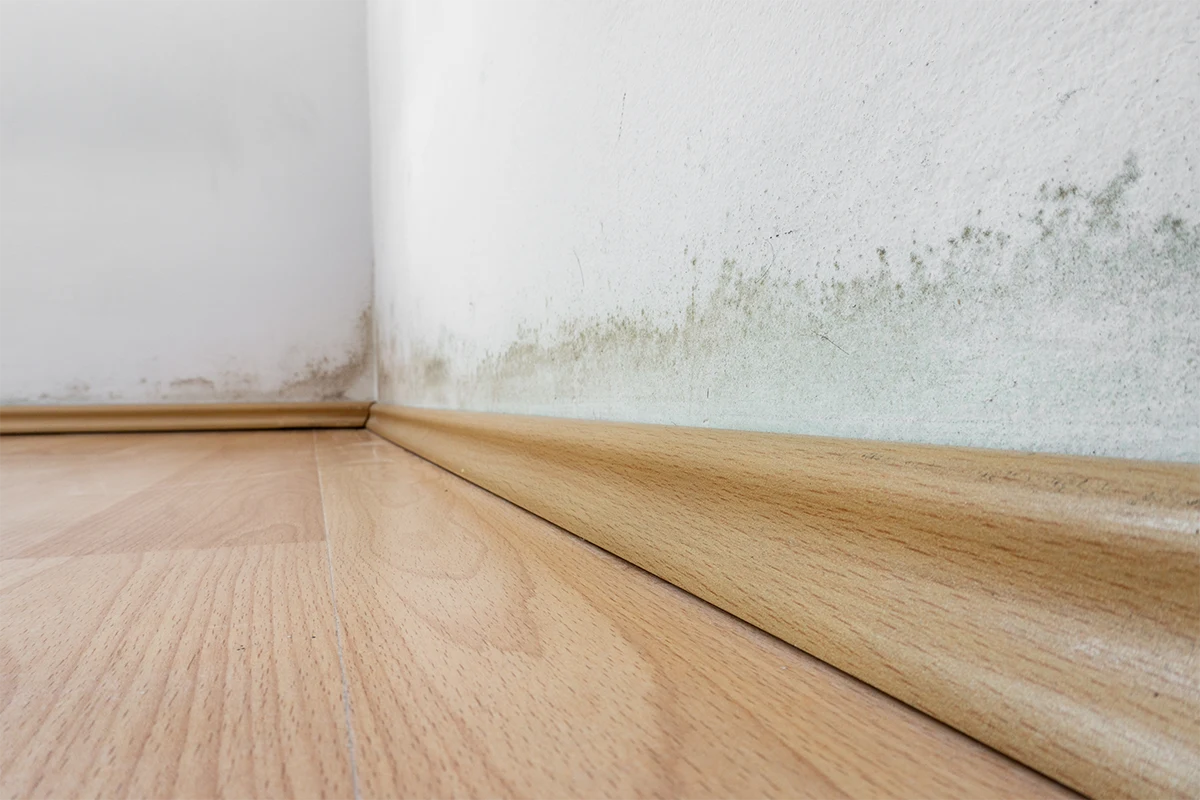
Keep in mind that early mold growth and visible mold aren’t the same thing. Mold can be developing on the back of drywall or under carpet for days before colonies or odors become noticeable.
What Makes Mold Grow Faster?
Mold needs moisture to grow, but how quickly it develops depends on the environment. These four factors make the biggest difference.
Moisture Levels
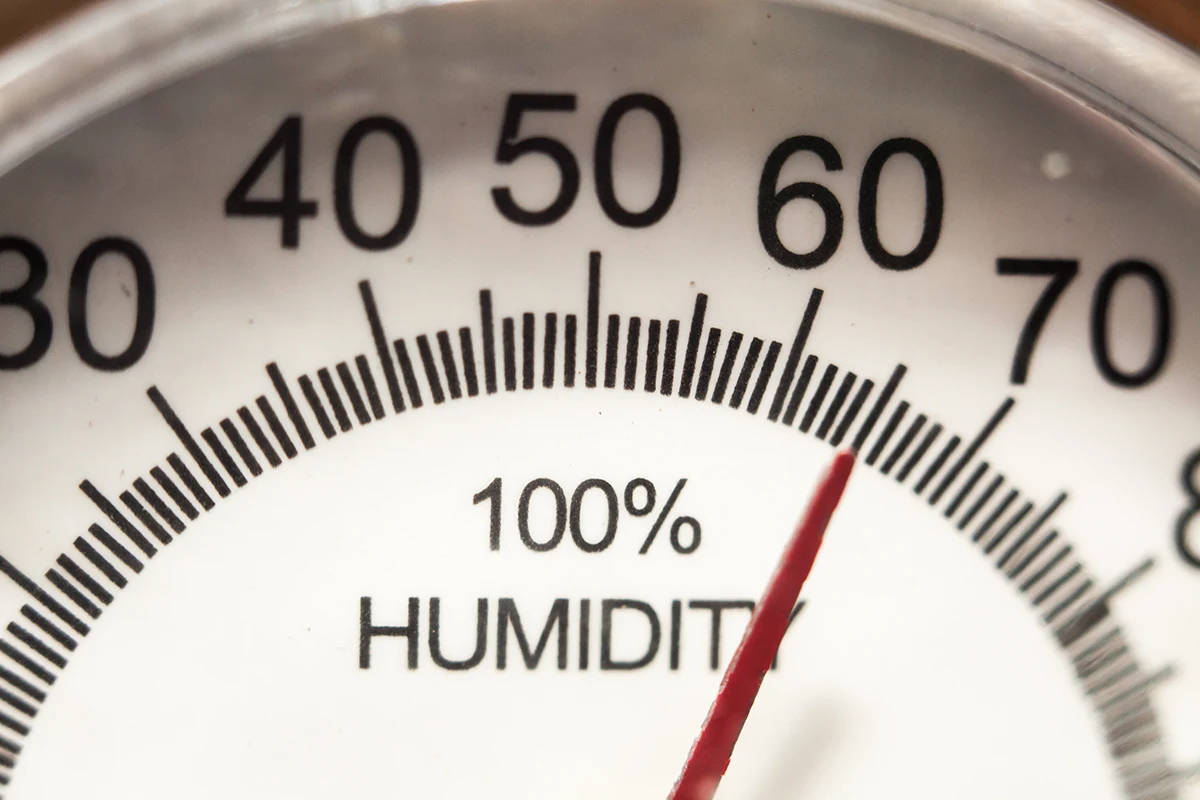
Moisture is the single biggest factor in how fast mold grows. Ongoing leaks, standing water and persistent dampness give mold everything it needs, and high indoor humidity can keep materials damp even after the visible water is gone. The longer materials stay wet, the higher the risk. It’s also the factor homeowners have the most control over: stopping leaks and drying things out quickly does more to prevent mold than anything else.
Temperature
Most household mold grows best in the same temperatures people are comfortable in. Warm conditions can speed up growth, while cooler temperatures tend to slow it down. Temperature alone doesn’t decide whether mold appears, though. A cool space with lingering moisture can still develop mold over time.
Building Materials
Porous materials such as drywall, wood, insulation, ceiling tiles and carpet padding absorb water and hold on to it, which makes them especially vulnerable. Many of them also contain organic material mold can feed on. Non-porous surfaces like metal, glass and tile dry faster and are less likely to support growth, although mold can still form on dirt or residue left on them. Because every material absorbs and releases moisture differently, a single leak can create very different risks across one room.
Ventilation
Still air slows drying. Closets, crawlspaces, basements and the space behind furniture often have little airflow, so damp surfaces in those areas stay wet longer. Good ventilation, exhaust fans and dehumidifiers help keep indoor humidity under control and prevent moisture from building up.
Where Can Mold Grow After Water Damage?
Mold can develop on almost any damp building material, including places where the moisture isn’t obvious. These are the areas to watch most closely.
Walls
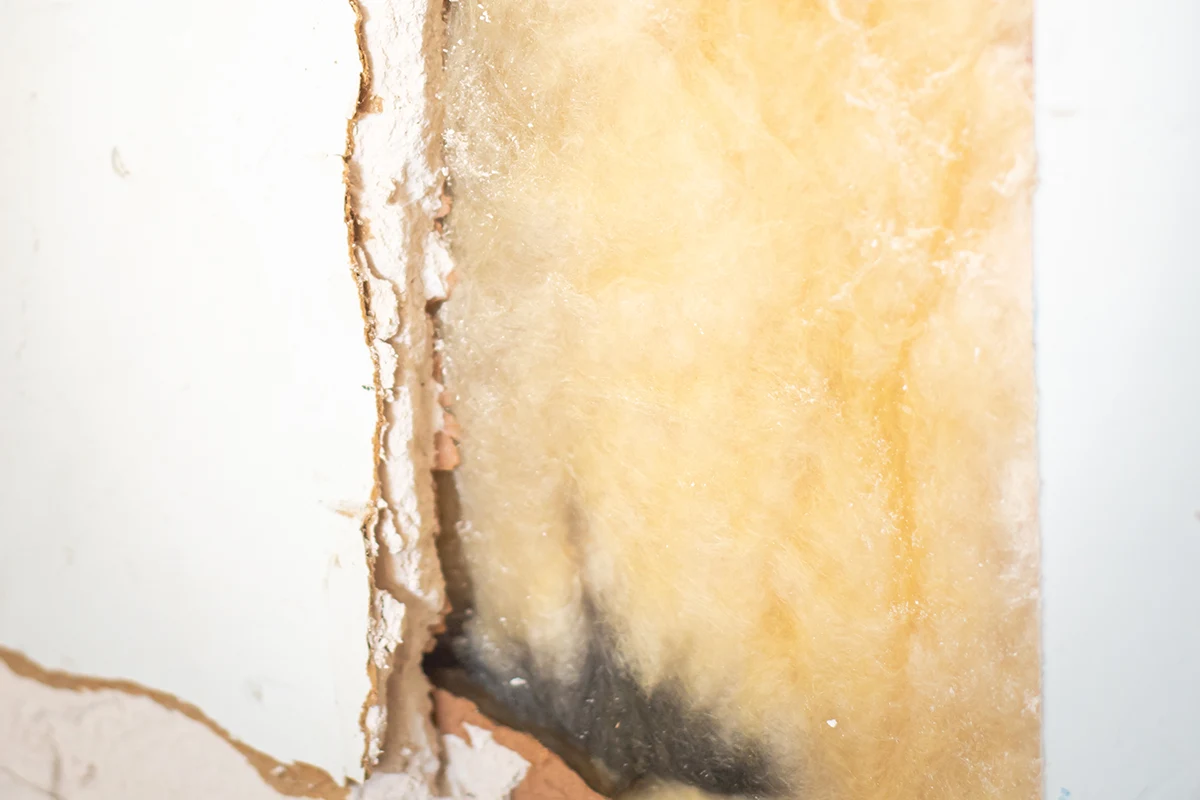
Drywall acts like a sponge, wicking water upward from wet floors and soaking it in from leaks. Water can also collect inside wall cavities, where it soaks into insulation and the back of the drywall. The wall surface may look and feel dry while the inside stays damp for days.
Carpets
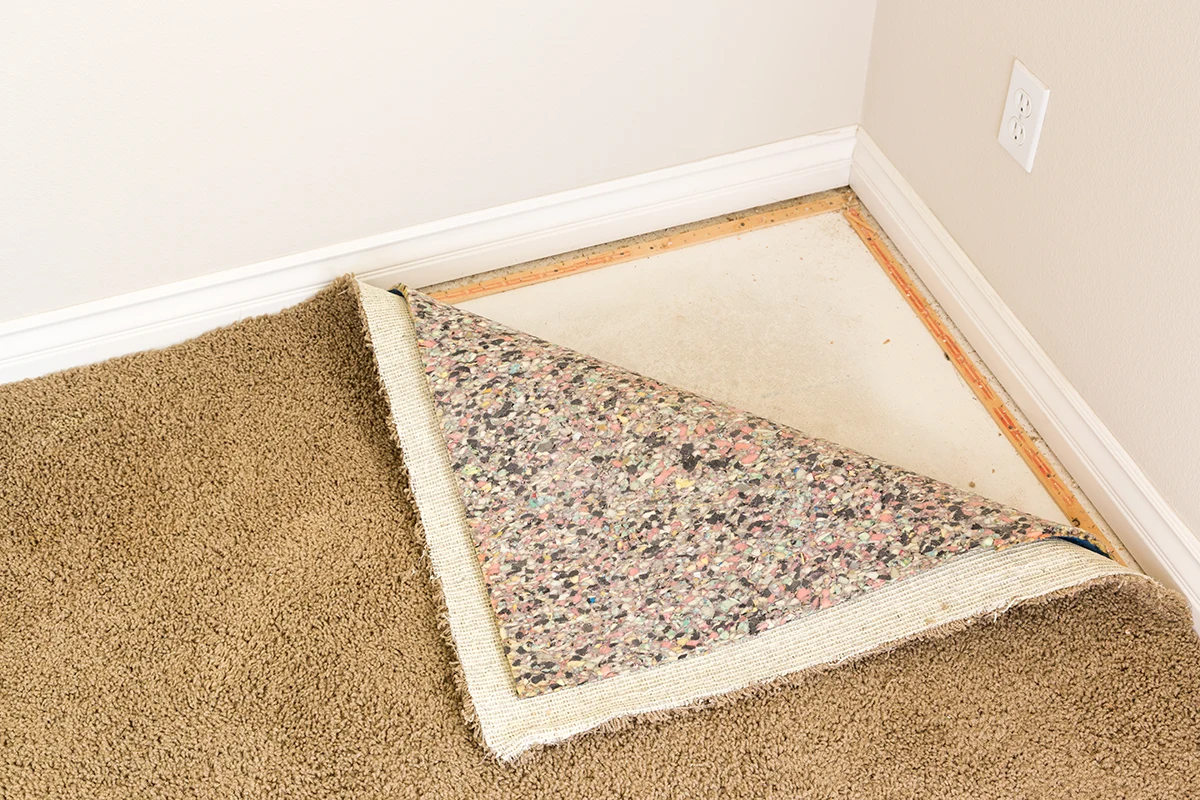
Wet carpet fibers and padding can support mold growth if the water isn’t removed quickly. The padding is the bigger concern: it holds moisture long after the carpet surface feels dry, and it’s hard to dry completely without professional extraction. Here’s how to tell if your carpet is moldy.
Flooring
Water can seep under hardwood, laminate and vinyl flooring and into the subfloor below. Because it’s trapped beneath a sealed surface, that moisture dries slowly and can support hidden mold growth. Thorough drying and a moisture check of the subfloor are important before flooring is reinstalled or replaced.
Wooden Surfaces
Wood framing, baseboards, cabinets and trim absorb water and can hold it for a long time, especially when drying is delayed. Damp wood creates favorable conditions for mold and can also warp, swell or weaken if it stays wet.
Ceilings
Roof leaks, plumbing problems and overflowing upstairs fixtures can leave moisture in ceiling drywall and the insulation above it. Because that space is out of sight, the problem often goes unnoticed until stains, sagging or musty odors appear.
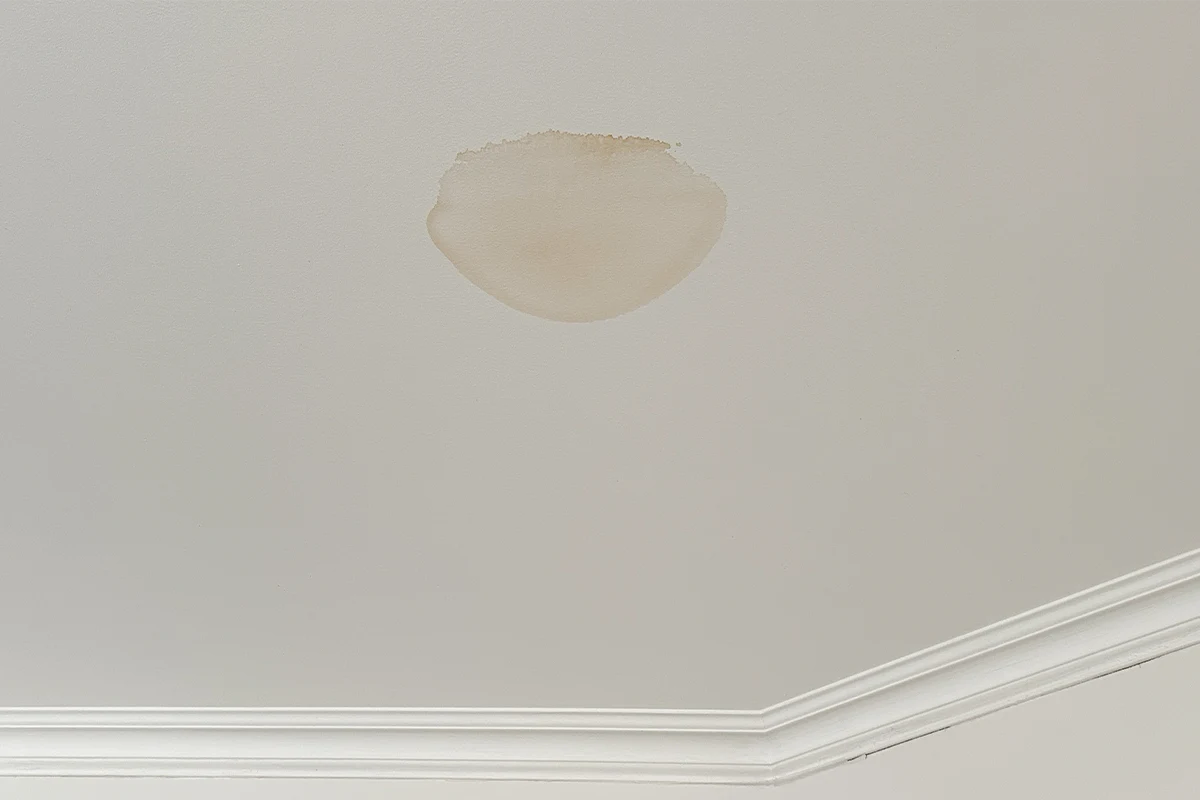
In every one of these areas, the surface you can see may dry well before the materials underneath. That trapped moisture is why mold sometimes appears weeks after water damage seemed to be cleaned up. Learn more about what happens with undetected water damage.
How Do You Know If Mold Has Started Growing?
Mold often starts growing before you can see it, so it helps to know the early clues. Watch for:
- Musty odors. A damp, earthy smell is often the first sign, especially in closets, basements or rooms that had water damage.
- Visible spots. Small black, green, gray or white spots on walls, ceilings, baseboards or the backs of furniture.
- Discoloration. Stains or dark patches that spread or return after cleaning.
- Peeling or bubbling paint. Moisture trapped behind paint or wallpaper can cause it to lift, and mold can grow underneath.
- Persistent dampness. Materials that feel cool or damp days after a leak, or condensation that keeps coming back.
These signs point to mold or an unresolved moisture problem, but appearance alone can’t tell you what type of mold it is. If you notice any of them after water damage, the moisture source needs attention either way.
How to Prevent Mold After Water Damage
The best way to prevent mold is to remove water quickly and dry everything thoroughly. Acting within the first 24 to 48 hours gives you the best chance of keeping mold from taking hold.
- Stop the water source. Shut off the water supply, fix the leak or address the source of intrusion when it’s safe to do so.
- Remove standing water. Start cleanup right away. Stay clear of wet outlets and electrical equipment, and avoid contact with water from sewage backups or floods, which can be contaminated.
- Dry affected materials. Use dehumidifiers, fans and air movers to dry wet materials, aiming to finish within 24 to 48 hours.
- Check for hidden moisture. Look behind walls, under flooring and inside other absorbent materials, where water often hides.
- Seek professional help. Call a professional when water damage is extensive, hidden or hard to dry completely.
Professional water damage restoration goes beyond surface cleanup. At Spotless Cleaners & Restoration, our IICRC-certified technicians use infrared cameras and moisture meters to find hidden water, then dry the structure with commercial air movers and dehumidifiers from our own fleet of professional drying equipment. We monitor moisture levels until every material is confirmed dry. See examples of our work in the project gallery.
What Should You Do If Mold Is Already Growing?
If mold is already visible, cleaning it is only half the job. The moisture that caused it has to be found and fixed too, or the mold will come back. Small areas of surface mold on hard, non-porous surfaces can often be cleaned with soap and water once the area is dry. Larger areas, mold on porous materials like drywall or carpet pad, or mold that may be hidden inside walls and ceilings usually call for a qualified mold remediation professional. Water damage restoration and mold remediation are separate services: restoration removes water and dries the structure, while remediation addresses existing mold contamination.
Get 24/7 Water Damage Help Now!
Spotless Cleaners & Restoration provides professional water damage restoration for homeowners and businesses in Johnson City, Kingsport and Bristol, TN. Fast water removal and thorough professional drying are the best ways to limit property damage and reduce the risk of mold.
If you’re dealing with water damage, call (423) 926-9251 for 24-hour emergency service, or contact Spotless Restoration online.